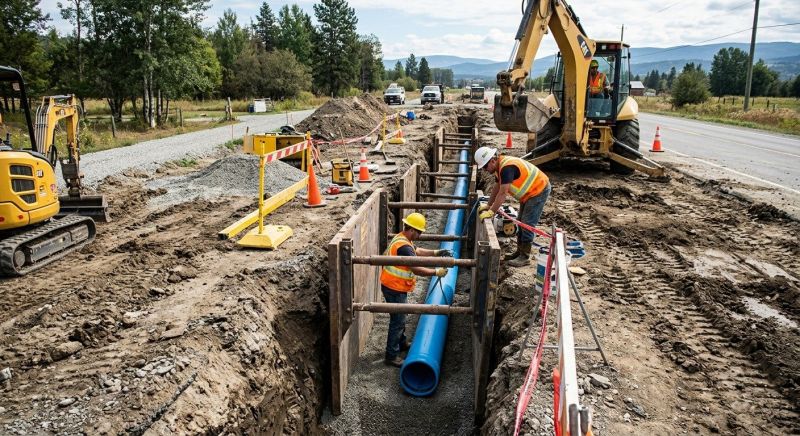
Gas Line Excavation in Atlanta, GA
Gas line excavation services involve the careful digging and preparation of land to install, repair, or replace underground gas lines. These projects often include extending new gas lines to appliances, upgrading existing infrastructure, or addressing issues that require access beneath the property’s surface. Property owners typically want to understand the scope of excavation work, safety considerations, and how the process impacts their landscape or property features before requesting service.
Before initiating a gas line excavation, property owners should consider factors such as the location of existing utility lines, property boundaries, and any permits or regulations that may apply. Clear communication about the project’s purpose and potential disruptions can help ensure a smooth process. It’s also important to understand the importance of professional excavation for safety and compliance with local codes when working with underground gas utilities.
Many property owners in Atlanta, GA look into Gas Line Excavation for repairs, replacements, upgrades, and appearance-related improvements.
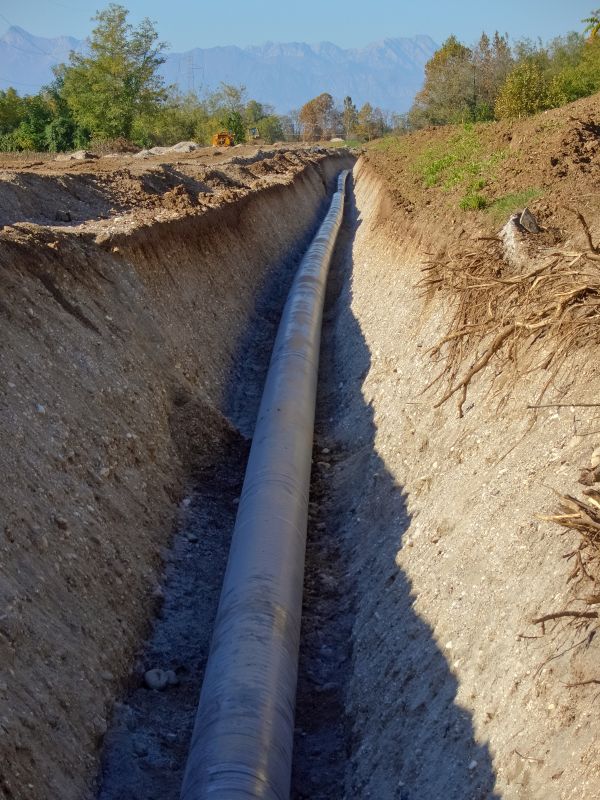
Gas Line Installation Preparation
Proper excavation ensures safe and efficient installation of new gas lines in residential and commercial properties.
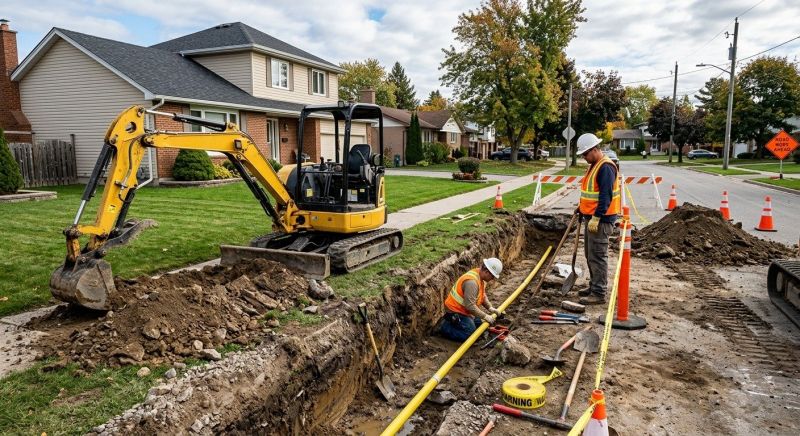
Underground Gas Line Repair
Excavation services allow for precise access to repair or replace damaged gas lines safely underground.
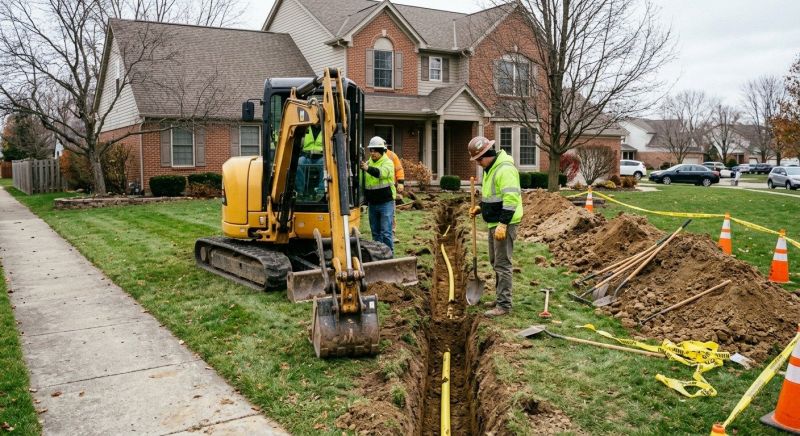
Utility Line Exposing And Inspection
Careful excavation reveals existing gas lines for inspection, maintenance, or upgrades in atlanta and nearby areas.
Gas Line Excavation in Atlanta, GA

Gas line excavation services involve the careful digging and preparation of land to install, repair, or replace underground gas lines. These projects often include extending new gas lines to appliances, upgrading existing infrastructure, or addressing issues that require access beneath the property’s surface. Property owners typically want to understand the scope of excavation work, safety considerations, and how the process impacts their landscape or property features before requesting service.
Before initiating a gas line excavation, property owners should consider factors such as the location of existing utility lines, property boundaries, and any permits or regulations that may apply. Clear communication about the project’s purpose and potential disruptions can help ensure a smooth process. It’s also important to understand the importance of professional excavation for safety and compliance with local codes when working with underground gas utilities.
Many property owners in Atlanta, GA look into Gas Line Excavation for repairs, replacements, upgrades, and appearance-related improvements.
Common Gas Line Excavation Jobs
Gas line installation - safe excavation for new gas service connections to homes.
Emergency repairs - prompt excavation for urgent gas line leak repairs.
Upgrading existing lines - excavation to replace or upgrade aging gas pipelines.
Property development - trenching and excavation for new construction or remodeling projects.
Line rerouting - excavation to move gas lines for landscaping or structural changes.
Underground utility locating - careful excavation to identify and avoid existing underground gas lines.
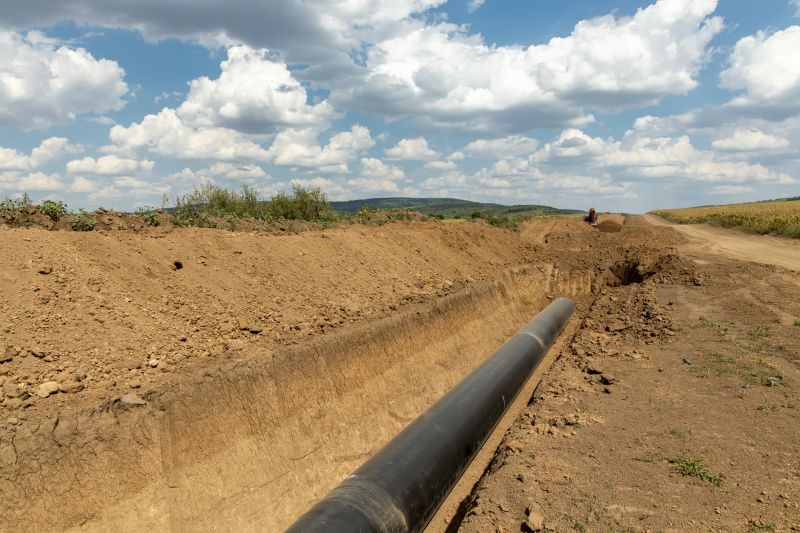
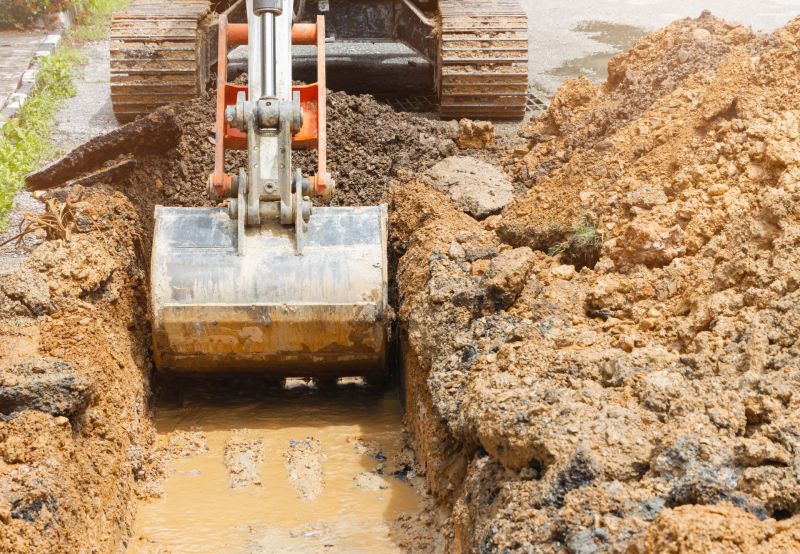
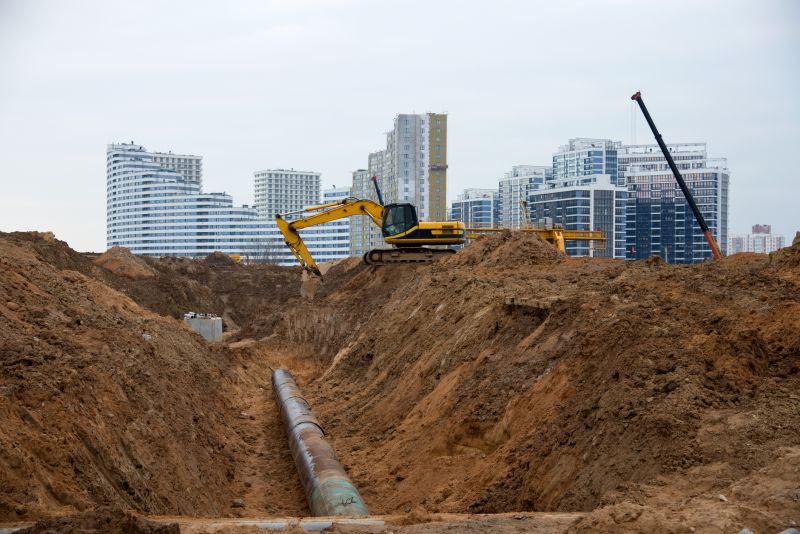
Gas Line Excavation Questions
What is gas line excavation? Gas line excavation involves digging to access or install underground gas pipelines for residential or commercial properties.
When is gas line excavation necessary? It is needed during the installation of new gas lines, repairs to existing lines, or upgrades to meet safety standards.
How should property owners prepare for gas line excavation? Clear the area around the excavation site and inform the service provider of any underground utilities or existing structures.
Are there safety considerations during gas line excavation? Yes, proper procedures are followed to prevent damage to gas lines and ensure safety during the excavation process.
Request Gas Line Excavation in Atlanta, GA
Use the quote form on this page to share the basics of your project and request more information for the type of work you need.